Discover the Power of Music in Valse Triste
Valse Triste: A Journey Through Grief and Resistance
Explore the haunting narrative of Valse Triste, where music becomes a voice of memory and a tool for survival. Dive into the story of Triste Steinmann, a young prodigy whose sorrow transforms into a supernatural force.
Valse Triste: A Musical and Historical Exploration
Immerse yourself in the rich history and musical intricacies of Valse Triste. This video provides a guided tour through its origins in Kuolema, its emotional depth, and its lasting impact on audiences worldwide. Experience the music that transcends time and speaks to the soul.
Why Valse Triste Resonates Through Time
The Timeless Appeal of Valse Triste: A Study in Emotion and Universality
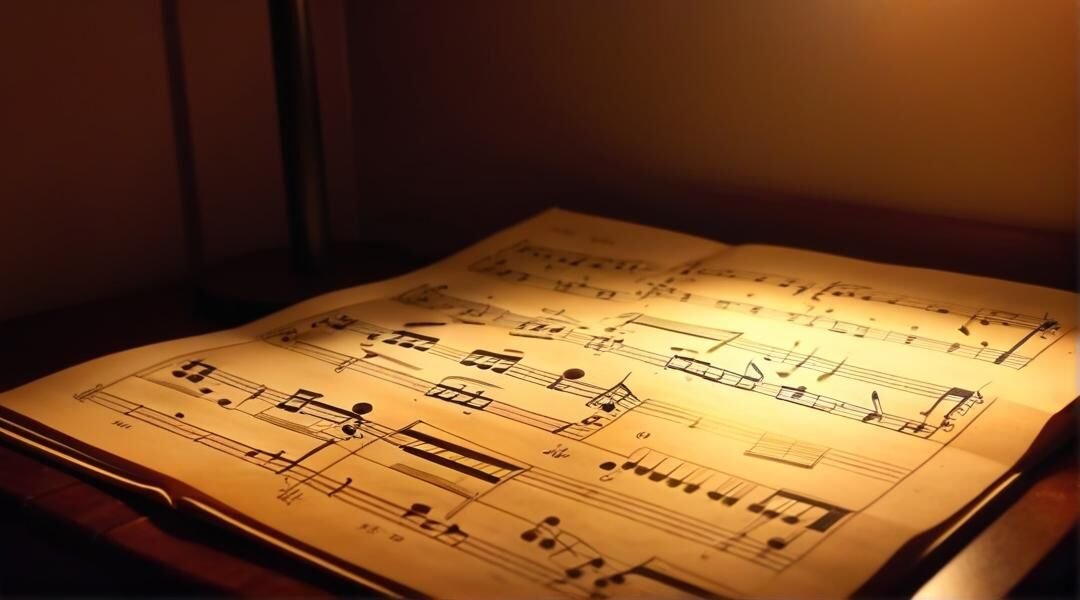
Performance and Practice Notes
To truly capture the essence of Valse triste, musicians should focus on maintaining an intimate character throughout the piece. The waltz should feel light and dance-like, even during its most intense moments. Phrasing is crucial; allow the melody to breathe naturally, shaping each phrase with gentle sighs and expressive cadences. Balance is key—ensure the accompaniment remains transparent, allowing the main theme to shine. The tempo should have a natural sway, with rubato used sparingly to enhance the speech-like quality of the music. As the piece concludes, resist the urge to dramatize the ending; instead, let it fade gently into silence, leaving a lingering sense of tranquility.
Character and Phrasing
The character of Valse triste should be intimate and never overly heavy. Musicians should aim to create a dance-like lilt, even at the piece’s climaxes. Phrasing should be approached with care, allowing the melody to breathe and shaping each phrase with a sense of natural expression. This approach helps to convey the underlying emotions of the piece, enhancing its storytelling quality.
Balance and Tempo
Maintaining balance is essential to ensure the theme’s prominence. Accompaniment textures should remain transparent, allowing the melody to glow. The tempo should have a natural sway, with rubato applied subtly to avoid disrupting the flow. This approach ensures the music feels organic and speech-like, enhancing its emotional impact.
Education Corner
Discussion Prompt: The Waltz as a Vehicle for Emotion
Discussion Prompt: Light and Shadow in Orchestration
Discussion Prompt: The Role of Silence
Activity Idea: Compare Theme Appearances
Activity Idea: Write a Scene
Discussion Prompt: Emotional Transformation
Activity Idea: Analyze Dynamics
Discussion Prompt: The Power of Simplicity
Activity Idea: Explore Musical Narratives
Discussion Prompt: The Impact of Tempo
Activity Idea: Create a Visual Storyboard
Discussion Prompt: The Influence of Context
Activity Idea: Compose a Short Waltz
Discussion Prompt: The Use of Rubato
Activity Idea: Perform a Dramatic Reading
Discussion Prompt: The Evolution of Themes
Activity Idea: Develop a Character Sketch
Discussion Prompt: The Interplay of Music and Emotion
Timeline of Valse triste
Valse triste, composed in 1903, was originally part of the incidental music for the play Kuolema. Shortly after its composition, it was adapted into a standalone concert piece, gaining popularity in orchestral programs worldwide. Over the years, various arrangements for piano and small ensembles have been created, further cementing its place in the classical music repertoire. Today, Valse triste is celebrated for its haunting beauty and emotional depth, continuing to captivate audiences around the globe.
1903
Composition of Valse triste
Jean Sibelius composed Valse triste as part of the incidental music for his brother-in-law Arvid Järnefelt’s play Kuolema. The piece quickly gained recognition for its poignant expression and evocative orchestration.
Early 1900s
Transformation into a Concert Piece
Following its initial success, Valse triste was arranged as a standalone concert piece. This transformation allowed it to reach a wider audience, becoming a staple in orchestral performances.
Mid 20th Century
Adaptations and Arrangements
Throughout the mid-20th century, Valse triste was adapted for various ensembles, including piano and chamber groups. These arrangements showcased its versatility and emotional resonance.
Present Day
Enduring Legacy
Today, Valse triste remains a beloved piece in the classical music canon. Its haunting melody and profound emotional impact continue to inspire musicians and audiences alike, ensuring its place in concert halls around the world.
Access and Rights Information
Availability of Recordings and Scores
Understanding Valse Triste
What is the meaning of 'Valse triste'?
‘Valse triste’ translates to ‘Sad Waltz’ in English, capturing the melancholic essence of the piece.
How do you pronounce 'Valse triste'?
The pronunciation is approximately ‘valss treest,’ reflecting its French origins.
Is 'Valse triste' considered program music?
Yes, ‘Valse triste’ is program music, as it narrates a scene from the play ‘Kuolema’ by Sibelius.
Is 'Valse triste' always performed in its original theatrical version?
In concert settings, it is typically performed as a standalone orchestral piece, adapted from its original stage music.
What is the typical duration of 'Valse triste'?
The piece usually lasts around five minutes, making it a concise yet powerful musical experience.

Jean Sibelius: A Composer's Legacy
Jean Sibelius, born in 1865, is celebrated as Finland’s foremost composer, renowned for his evocative orchestral works that capture the spirit of his homeland. His music, characterized by rich textures and organic growth, has left a lasting impact on the world of classical music. For those interested in exploring his life and works further, recommended readings include biographies of Sibelius, studies on his incidental music, and program notes from leading orchestras. His ability to weave narrative and emotion into his compositions continues to inspire musicians and audiences alike.
Discover the Depths of Valse Triste
Immerse yourself in the haunting beauty of Valse Triste. Explore its profound narrative and musical intricacies that have captivated audiences for generations. Let the music guide you through a journey of emotion and reflection.